
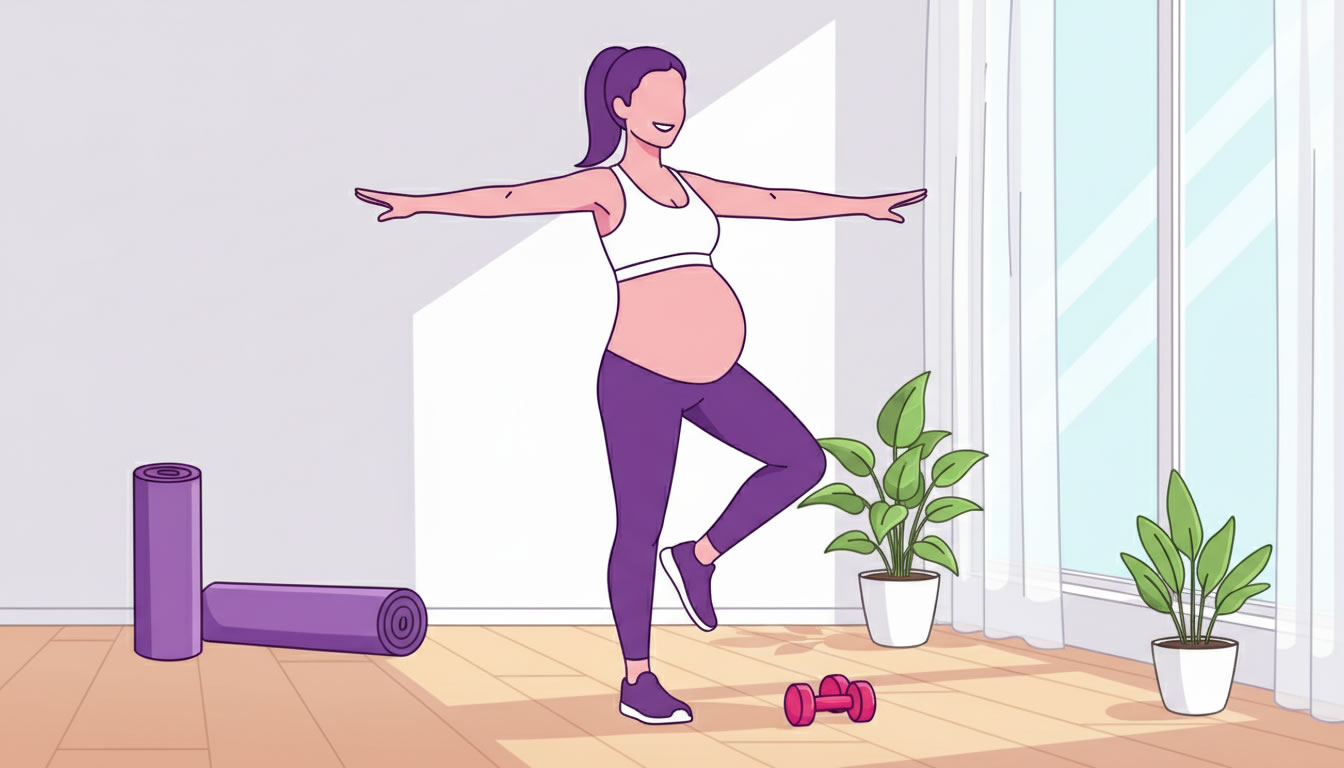
Balance exercises: How to Improve Stability, Strength, and Confidence at Any Age
Balance is one of the most overlooked aspects of fitness until it is lost. Whether you are young and active, recovering from an injury, or entering your senior years, balance exercises are essential for overall stability, coordination, and confidence in movement.
Why Balance Matters
Good balance helps you move safely, prevents falls, and improves posture and mobility. It also supports your muscles, joints, and bones, helping you stay independent and active for longer.
What Are Balance Exercises?
Balance exercises are physical movements designed to improve your body’s ability to maintain stability, whether you are standing still or moving. They strengthen the core, legs, and stabiliser muscles, helping you react better to shifts in movement, uneven surfaces, and daily activities that require coordination.
For example:
- Standing on one leg while brushing your teeth
- Walking heel-to-toe across a room
- Practising gentle tai chi movements
- Using light weights while maintaining your stance
Each of these activities engages your balance control system, which includes your inner ear, vision, and proprioception (your body’s awareness of its position).
Why Balance Exercises Are Important
Balance training benefits everyone. But it is particularly crucial for older adults. After age 65, the risk of falls increases significantly. Regular balance exercises can:
- Prevent falls and injuries
- Improve posture and coordination
- Enhance mobility and flexibility
- Boost confidence in daily movement
- Support muscle strength and bone health
Even simple exercises like walking or standing from a seated position without using your hands can contribute to better balance.
How to Get Started with Balance Exercises
You don’t need a gym or special equipment to begin. Start slowly and progress gradually. If you have any medical conditions, joint pain, or mobility issues, consult your healthcare provider before beginning.
General Tips:
- Practice near a stable surface, such as a wall or counter.
- Wear comfortable, supportive shoes.
- Focus on maintaining good posture: shoulders back, core engaged.
- Perform exercises daily, even for just 10–15 minutes.
Beginner Balance Exercises
- Weight Shifts
- Single-Leg Balance
- Bicep Curls for Balance
Advanced Balance Training: Tai Chi
Everyday Ways to Improve Balance
Balance training doesn’t have to be formal. Integrate it naturally into your routine:
- Stand on one foot while waiting in line.
- Try heel-to-toe walking around your living room.
- Stand up from your chair without using your hands.
- Practice yoga poses like Tree Pose or Warrior III.
When to Talk to Your Healthcare Provider
If you experience dizziness, frequent falls, or difficulty standing still, consult a doctor or physical therapist before starting balance exercises. They can design a safe, personalised plan, especially if you have:
- Joint or muscle disorders
- Neurological conditions
- Vision or vestibular (inner ear) issues
Final Thoughts
Balance exercises are a cornerstone of lifelong mobility and confidence. They help you move freely, stand tall, and enjoy the independence that comes with stability. Whether you’re 25 or 75, adding balance training to your daily life can help you stay strong, centered, and ready for anything.
Key Takeaways
✅ Start simple: consistency matters more than intensity.
✅ Focus on core strength and posture.
✅ Combine balance, strength, and flexibility exercises.
✅ Seek medical guidance if you have health conditions.
Ready to begin?
Join the Pregnancy & Fitness community for guided routines, expert advice, and safe exercise programs designed for women at all stages of life, from pregnancy to postnatal wellness and beyond.